Blog 14
The Future of Leadership: adaptive, human and conscious

The future of leadership is adaptive, human and conscious
Leadership is no longer in a transitional phase. It has fundamentally changed. The traditional leader, primarily focused on control, hierarchy and efficiency, is increasingly making way for a new generation of leaders: adaptive leaders who are able to navigate complexity, change and human dynamics.
In a world where technology is developing at an unprecedented pace, AI is taking over more and more operational tasks, and societal changes are following one another rapidly, one capability becomes crucial: the ability to adapt without losing the human connection.
The future therefore belongs to leaders who are not only strategically strong, but who also operate with emotional intelligence, self-awareness and genuine connection.
Where organisations once mainly needed direction and control, they now need safety, trust, flexibility and collective intelligence. Employees no longer expect only a manager who monitors results, but a leader who facilitates development, creates meaning and gives space to autonomy and authenticity.
The central leadership question is therefore shifting fundamentally from “How do I manage people?” to “How do I create an environment in which people, teams and technology can thrive together?”
Why this trend is acceleratingThe rise of AI plays a major role in this shift. Knowledge and analysis are no longer exclusively human assets. Technology is increasingly taking over cognitive and operational processes. Precisely because of this, typically human capabilities are becoming more valuable than ever.
Qualities such as:
- empathy
- self-reflection
- adaptability
- inclusiveness
- intuitive decision-making
- meaningful communication
- creating psychological safety
are becoming decisive for effective leadership.
Organisations are increasingly discovering that sustainable performance does not come from pressure and control, but from trust, connection and ownership. Teams function better when people feel seen, heard and safe enough to discuss ideas, doubts and mistakes openly.
That is why leadership is shifting in several ways. It is shifting:
- from hierarchy to network thinking
- from control to trust
- from authority to authenticity
- from individual performance to collective intelligence
- from fixed structures to adaptive collaboration
The leader of the future does not need to have all the answers. The true strength of the modern leader lies in navigating uncertainty, connecting different perspectives and activating human potential.
From performance culture to conscious leadershipAt the same time, awareness is growing that old leadership models are reaching their limits. For years, the emphasis was on speed, results and continuous performance. But this way of leading has also contributed to rising stress levels, burnout symptoms and a growing distance between people and organisations.
New generations of professionals are therefore not only looking for career opportunities, but also for meaning, autonomy and personal growth. Work should no longer only be productive, but should also contribute to wellbeing and identity development.
This gives rise to a new form of conscious leadership: leadership in which performance and human development exist side by side.
Adaptive leaders understand that organisations are living systems. They look not only at KPIs and processes, but also at energy, culture, collaboration and psychological safety. They do not focus purely on output, but create the conditions in which people can grow and excel sustainably.
Case study: Thrive, female leadership through authenticity
A powerful example of this development can be found in the female leadership programme Thrive by Shenin Lebrun, founder of Hustle & Heart Consultancy. Within this programme, the focus is not only on professional growth, but also on personal awareness, authenticity and inner leadership.
As part of the Thrive programme, the Voice Your Future voice analysis is used. During this process, Marilou van der Keur supports participants with a professional and objective interpretation of their voice analysis.
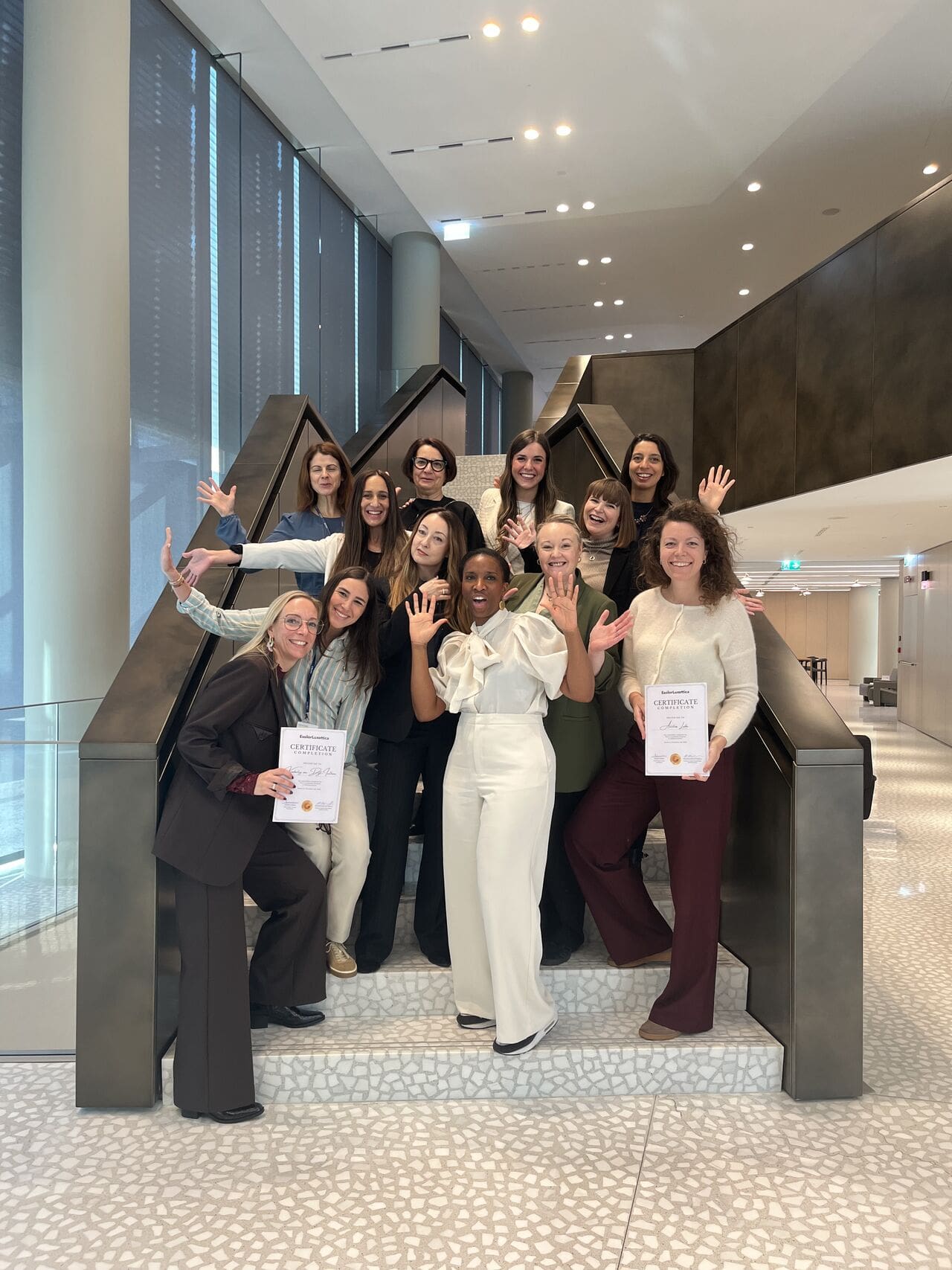
This analysis provides insight into natural communication patterns, leadership style, energy distribution and underlying drivers. The voice acts as an objective mirror. Based on a short voice recording of counting to 100, a personal profile is generated that reveals where someone’s natural strengths, talents and competencies lie, as well as where stress, adaptation or imbalance may influence behaviour and collaboration.
Through these insights, participants learn to lead more consciously from authenticity, connection and personal strength. The deeper understanding emerges much faster, allowing the personal profile and therefore the voice analysis to contribute to sustainable growth, self-awareness and more effective leadership, both personally and professionally.
For many participants, this becomes an important turning point. Rather than copying leadership from traditional models, they discover how to lead powerfully from their own authentic personal profile.
The voice assessment supports participants in:
- strengthening self-awareness
- recognising energy and stress patterns
- developing authentic communication
- increasing personal impact
- creating more balance between decisiveness and connection
- strengthening adaptive leadership in complex situations
Within Thrive, leadership is not seen as a position or role, but as a form of awareness and self-expression.
“The future does not ask for leaders who push harder, but for leaders who know themselves, create connection and dare to move adaptively in a world that is constantly changing.”
Shenin Lebrun, founder Hustle & Heart Consultancy
What does this require from organisations?The shift towards adaptive, human and conscious leadership requires a fundamental cultural change. Not only do leaders need to develop; organisational structures, HR processes and ways of working must evolve as well.
Key priorities for organisations are:
- investing in self-awareness and leadership development
- structurally strengthening psychological safety
- creating space for reflection and dialogue
- encouraging autonomy and ownership
- using technology to support human potential
- actively integrating diversity and inclusiveness into leadership cultures
Organisations that lead in this area build not only stronger teams, but also more attractive employer brands. This is especially important in a labour market where talent increasingly makes conscious choices for organisations that align with personal values and development.
The leader of the future is therefore not the person who controls the most, but the person who is best able to connect, adapt and inspire.

